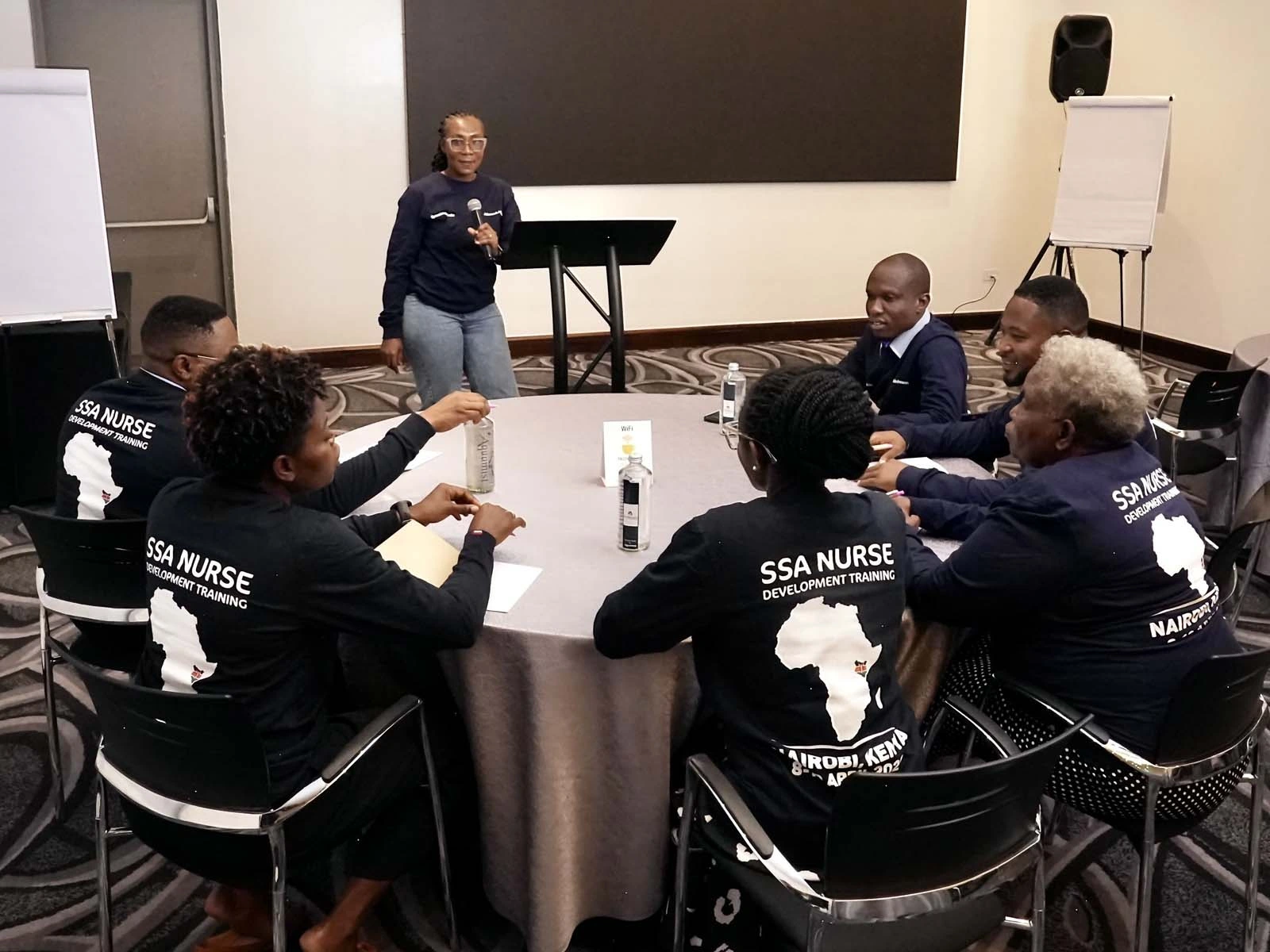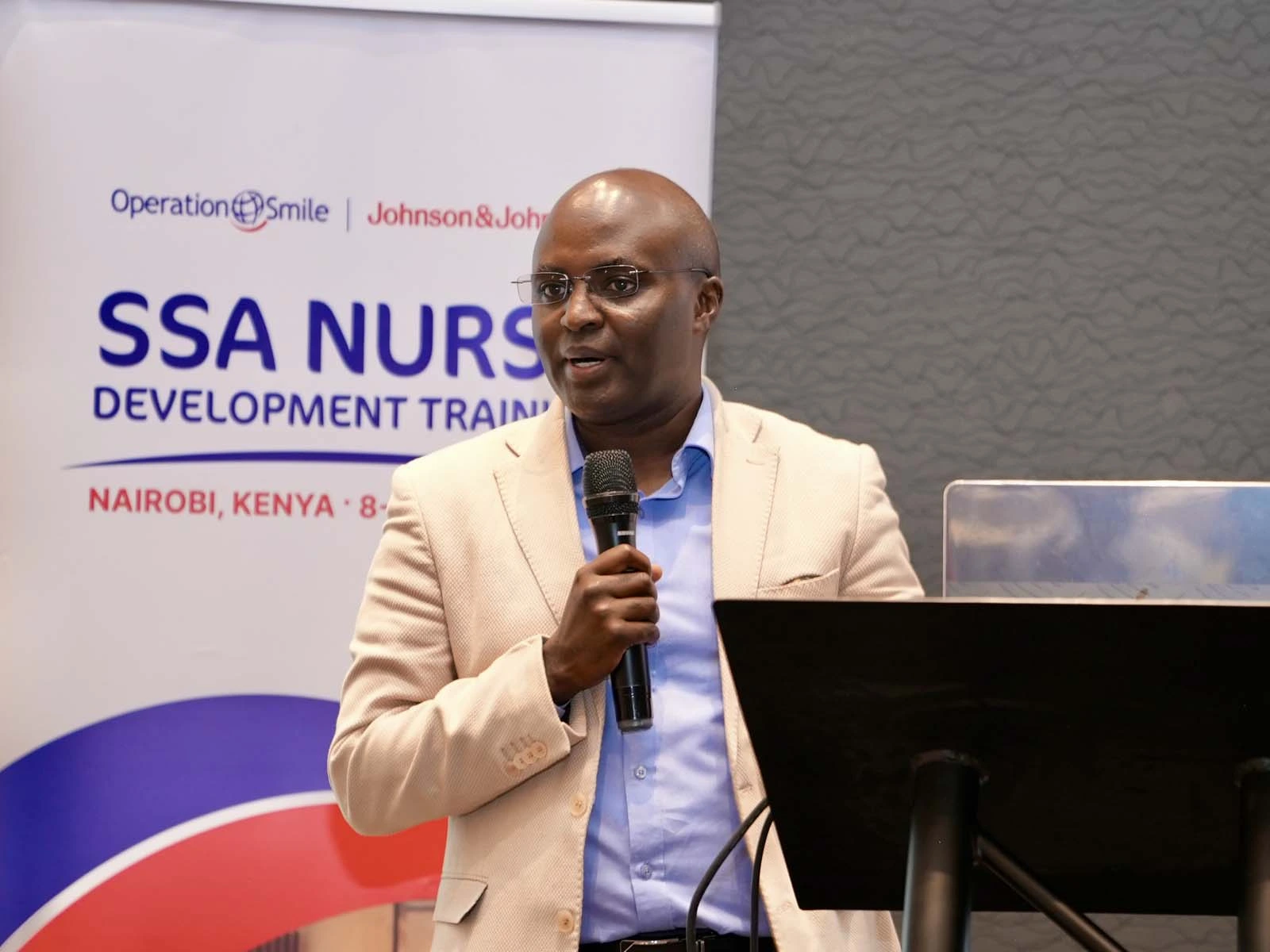
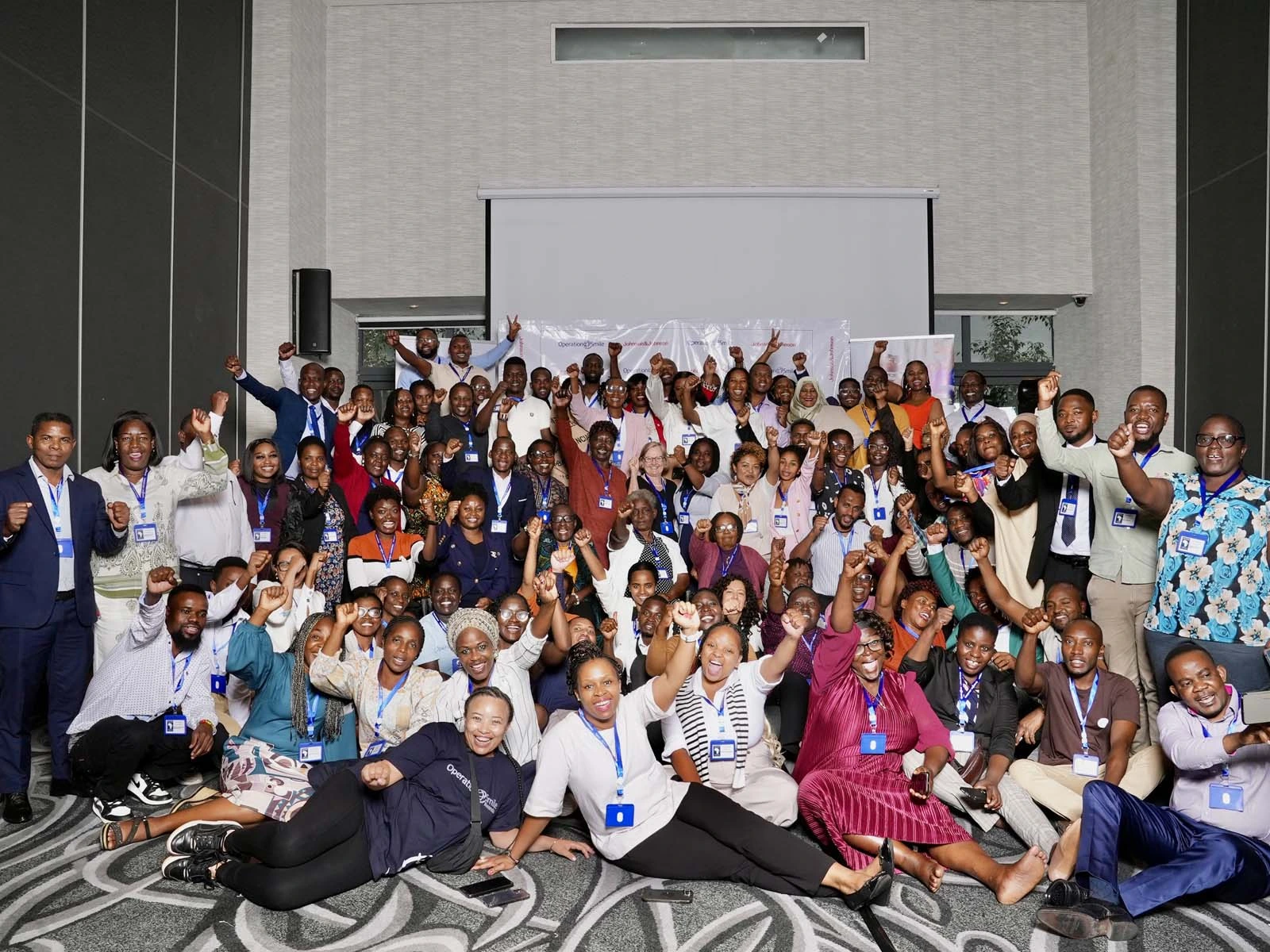
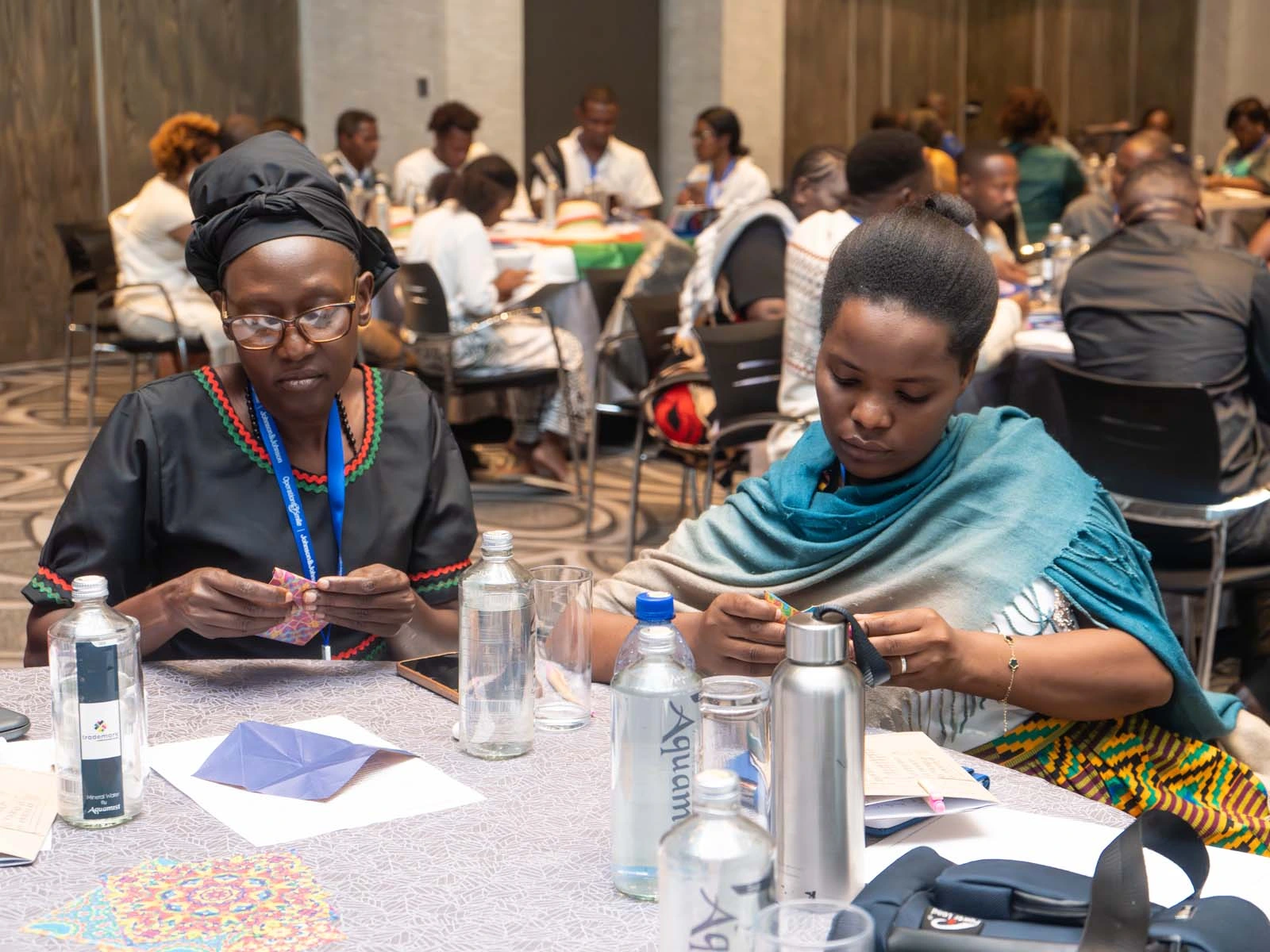
In April 2026, 75 nurses from ten countries across Sub-Saharan Africa gathered in Kenya for a three-day training focused on clinical skills and leadership. This training was designed to strengthen the foundation of safe surgical care for children across the region, equipping nurses with the tools to enhance care in their hospitals and communities.
Addressing Barriers to Training
A nurse in Rwanda steadies a newborn during an emergency.
A nurse educator in Madagascar prepares her first lesson plan, eager to inspire her students.
A young nurse in Malawi dreams of leading her department one day but has never had the chance to develop leadership skills.
These are just a few examples of the challenges many nurses across Sub-Saharan Africa face in accessing high-quality training. Distance, cost and limited access to mentorship often stand in the way of nurses gaining the skills they need to deliver safe, effective care. This training aimed to address those barriers, offering a collaborative learning environment where nurses could share experiences, gain new skills and grow both personally and professionally.
A Gathering of Shared Knowledge and Growth
Nurses from ten countries, including the Democratic Republic of Congo, Ethiopia, Ghana, Kenya, Madagascar, Malawi, Mozambique, Rwanda, South Africa and Tanzania, came together for this regional training. They were joined by 14 experienced nurse faculty members who provided mentorship and guidance throughout the event.
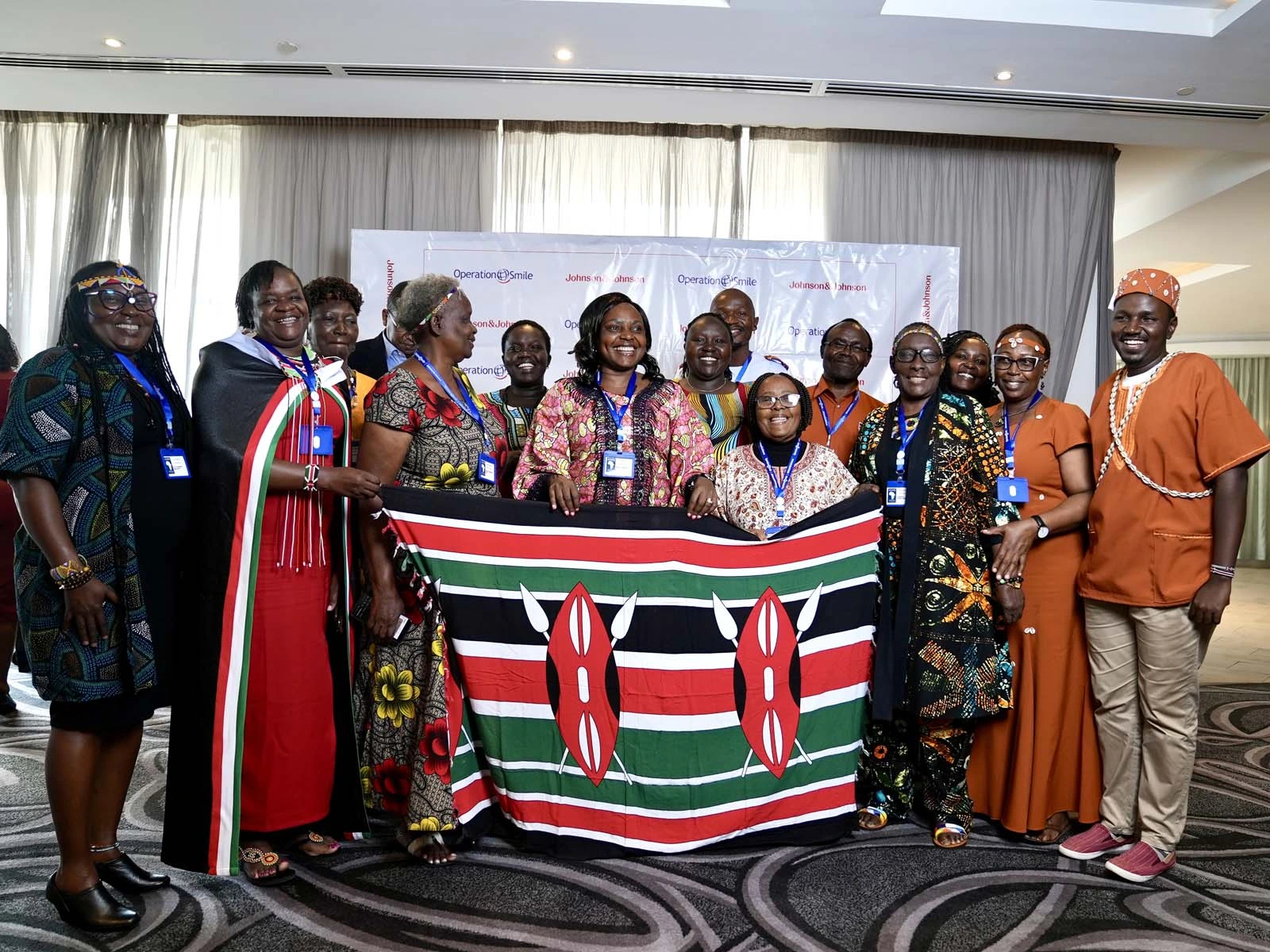
On the first day, nurses wore clothing representing their home countries as they introduced themselves and shared stories about their journeys. This moment of connection set the tone for a training program built on collaboration and shared experiences. The program included leadership development and hands-on clinical practice. Participants attended sessions on infection control, emergency response and effective communication, with specialized tracks for nurse educators that focused on teaching strategies and feedback techniques. The final day brought everything into practice through clinical simulations, where nurses applied their skills in real-world scenarios.
A Step Toward Sustainable Impact
This training was part of a broader effort to strengthen nursing leadership across Sub-Saharan Africa. By equipping nurses with the skills they need to provide safer surgical care, the program supports long-term improvements in health care access and quality for children and families across the region. The event also introduced Operation 100, our bold strategy focused on expanding access to surgical care closer to patients’ homes. Nurses who participated are now better prepared to bring these services to their communities, creating a ripple effect of impact that extends far beyond the training itself.
Looking Ahead
The nurses who attended this training will carry their new skills and knowledge into operating rooms, classrooms and communities across ten countries. The connections they made and the lessons they learned will continue to shape their careers for years to come. This regional training program reflects our commitment to investing in nursing leadership and improving access to safe surgical care. By empowering nurses with education and mentorship, the program contributes to a future where more children can receive the care they need closer to home.