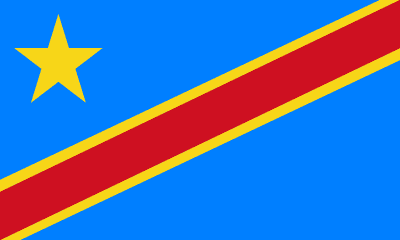
Operation Smile has been working in the DRC since 2009, providing safe and comprehensive care for children born with cleft conditions. Since then, we have delivered life-changing surgeries to more than 2,770 patients.
But there is more to do.
During Fiscal Year July 2025-June 2026, Operation Smile will invest $1,183,000 to deliver life-changing surgical care for 330 patients and provide training for nearly 1,960 health workers.
Cleft Care Programs
Over the course of this year, Operation Smile will deliver surgery to 330 patients. We will expand comprehensive cleft care in the DRC by providing consultations in speech therapy for over 30 patients and nutrition for 360 patients.
Education Programs
Operation Smile will provide training opportunities to nearly 1,960 Congolese medical professionals in the fields of nursing, pediatrics, nutrition, surgery, anesthesia, biomedical engineering, speech care and oral health. Our partnerships with Congolese medical leaders increases access to education opportunities, allowing local health systems to provide care for a greater number of patients. Our partnerships with the College of Anesthesiologists of East, Central and Southern Africa (CANECSA) and the College of Surgeons of East, Central and Southern Africa (COSECSA) will provide training to plastic surgeons and anesthetists.
Over the course of the fiscal year, we will deliver Life Support courses in collaboration with the American Heart Association and host CPR trainings for students involved with our student clubs and programs. Operation Smile will also equip 360 caregivers in the DRC with the knowledge and practical skills they need to support their child throughout the treatment journey.
THE NEED
1 in 1,260 children. In the DRC, it is estimated that for every 1,258 births, one child is born with a cleft condition.
Out-of-pocket expenses. 74% of the population in the DRC faces the risk of catastrophic expenditure for surgery, meaning they must make out-of-pocket payments exceeding the average household income. In comparison, only 2% of the population in high-income countries encounters this risk.
Shortfall of health workers. Compared to high-income countries, which have an average of 11.4 nurses and midwives per 1,000 people, the DRC faces a shortage with just 1.1 nurses and midwives per 1,000 individuals. The DRC has fewer than one specialized surgical worker per 100,000 people, while in high-income countries, the rate stands at 71 specialized workers per 100,000 people. This is also far below the target of 20 specialized surgical workers per 100,000 people set by the Lancet Commission on Global Surgery.
BRINGING CARE CLOSER TO HOME
To ensure that every child has access to care close to home, we equip the providers within our patients’ communities with skills and resources to deliver high-quality care. We strengthen health system capacity by harnessing the talent and resources concentrated in larger cities, the hubs, to train providers in under-resourced areas, the spokes, where access to care is most limited.
In the DRC, Operation Smile has hubs at the University of Kinshasa Hospital in Kinshasa and at the University of Lubumbashi in Lubumbashi.
We partner with Clinique Ngalima in Kinshasaand Jason Sendwe Hospital in Lubumbashi.
FIVE-YEAR VISION
Over the next five years, Operation Smile will provide comprehensive cleft care to over 7,000 patients across six regions. This effort will involve two hubs, four and two referral hospital partners, while also strengthening the health system. Through a blend of short-term surgical programs and hospital-based partnerships, we will provide cleft surgery to approximately 2,230 patients.
Operation 100, our bold strategy to bring essential surgical care closer to patients’ homes, will impact the DRC as we equip a cleft operative team in at North Kivu Provincial Hospital in Goma with advanced skills, essential equipment and enhanced health care infrastructure over the next five years.