
Get Involved
Become a Medical Volunteer
Join a global community of over 6,000 dedicated medical professionals delivering life-saving and transformative care to children born with cleft conditions.
Why Volunteer with Operation Smile
Volunteering with Operation Smile means using your skills to change lives. Together, we create brighter futures for children, collaborate across cultures and grow as professionals while delivering world-class education and cleft care.

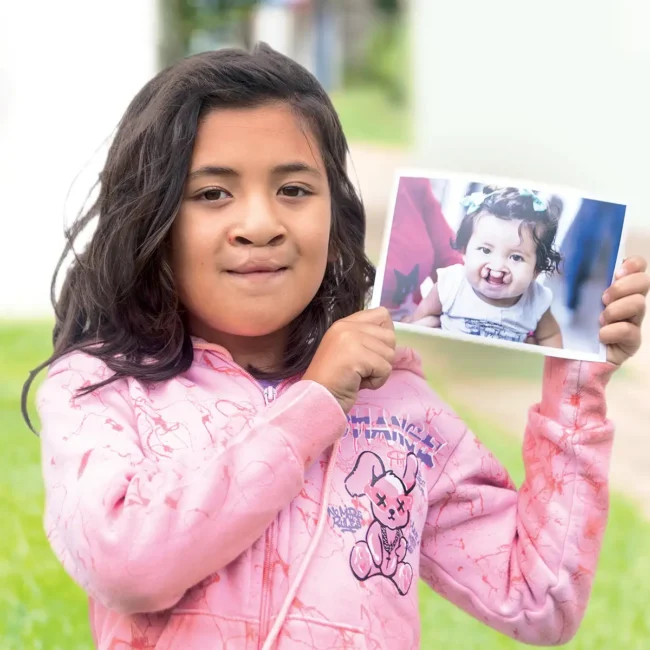
Meaningful Impact
You’ll deliver life-changing care, enabling children to eat, speak and smile with confidence.
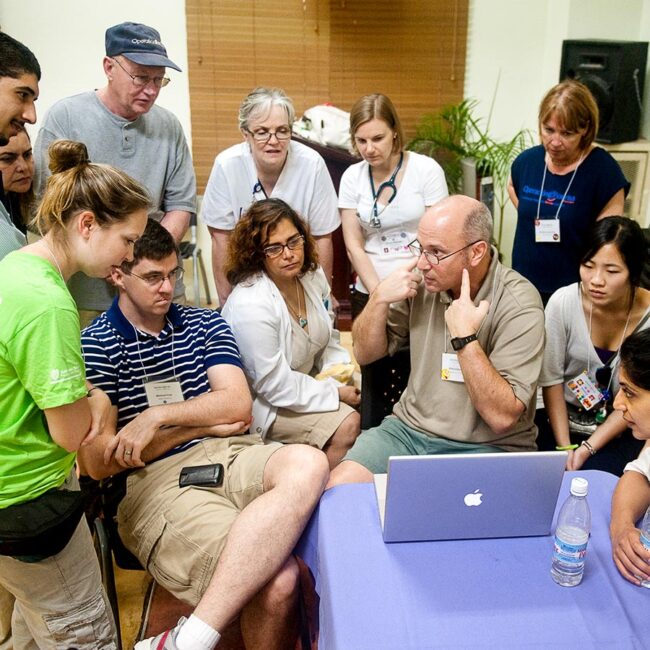
Global Collaboration
You’ll work alongside medical professionals from 60+ countries in diverse surgical settings.
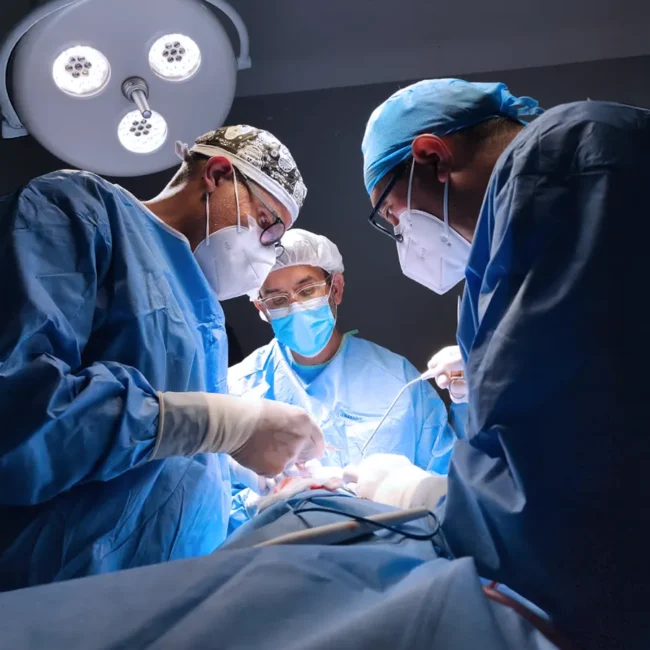
Professional Growth
You’ll expand your expertise and build lasting connections through hands-on experience.
What to Expect
Before you join a surgical program, it’s important to understand the commitment and conditions. Our programs are short but intensive, requiring flexibility and resilience as you work in resource-limited settings to deliver life-changing cleft care.
Program Length
Surgical programs typically run 10-12 days, including travel, comprehensive health evaluations, surgery and a volunteer appreciation day.

Placement Timeline
Opportunities are shared approximately 2-3 months before surgical program dates. Your first placement on a surgical program may take up to one year.

Working Conditions
Surgical programs take place in resource-limited settings, where infrastructure can be basic. Expect unpredictable power or water access in some areas.
Volunteer Opportunities
Operation Smile brings together a diverse team of skilled medical professionals who help deliver safe, high-quality cleft care around the world.
Our surgical program rely on experts who can thrive in dynamic environments, work collaboratively and uphold the highest standards of patient safety and compassion.
Below is an overview of the medical specialties that play a vital role in our care teams, for which we’re recruiting new volunteers. Credentialing requirements for each role are included with the descriptions.
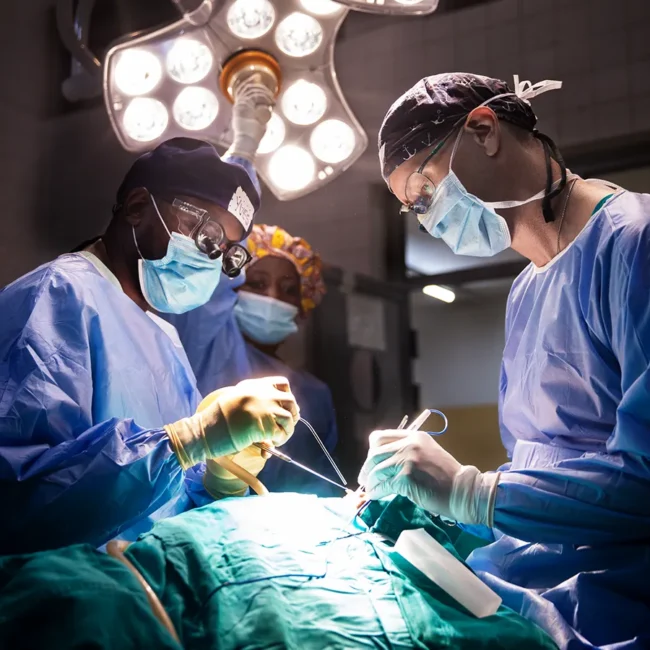
Anesthesia Providers
Anesthesiologists, Pediatric Anesthesiologists, Nurse Anesthetists and Anesthesia Clinical Officers
Anesthesia professionals are essential to every surgical program, ensuring children and adults receive safe, effective anesthesia and pain management across a wide range of ages and clinical environments. They work in close partnership with surgeons and nurses to maintain patient safety and comfort throughout each procedure.
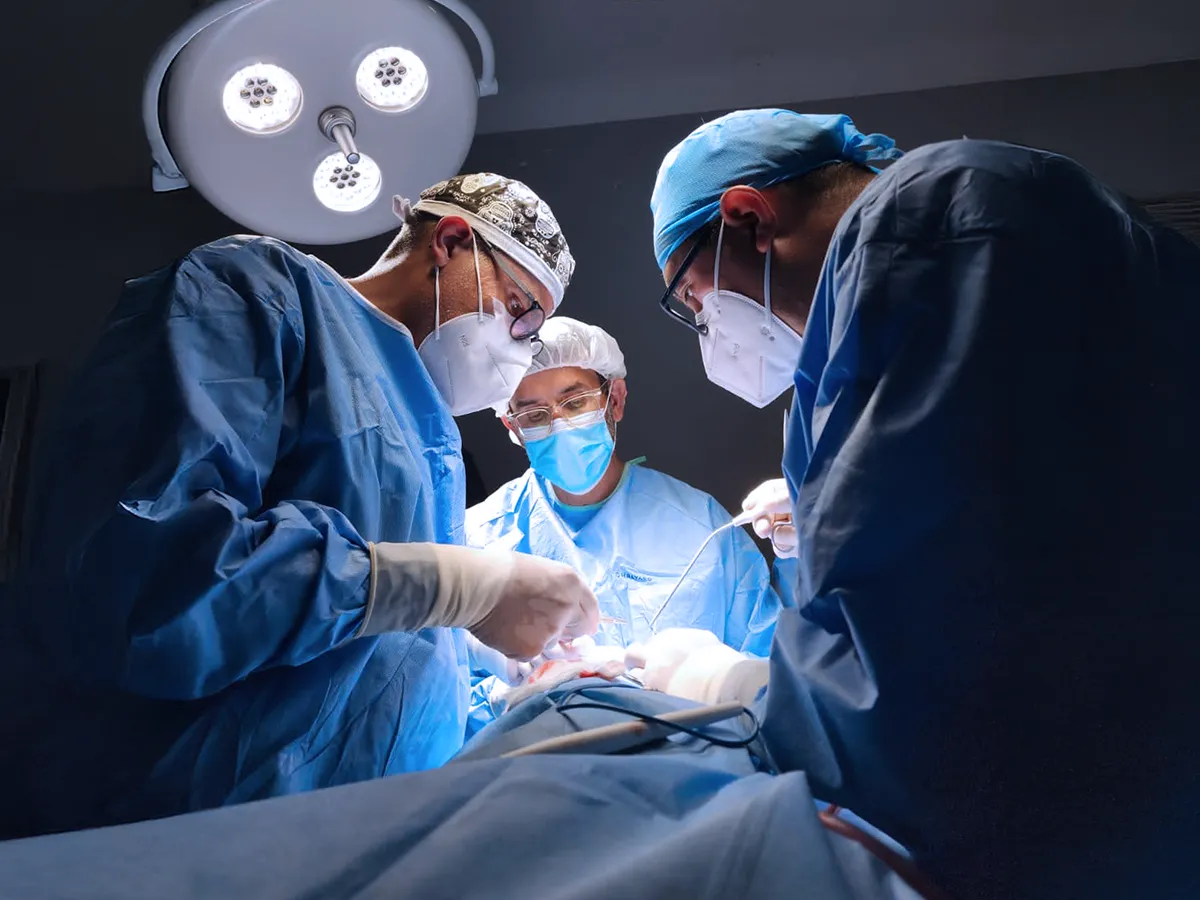
Surgeons
Plastic Surgeons, Cleft Surgeons, Oral & Maxillofacial Surgeons
Surgical specialists perform life-changing cleft procedures and often support comprehensive treatment planning. They collaborate with multidisciplinary teams to deliver surgery safely and efficiently in hospitals, clinics and community settings around the world.
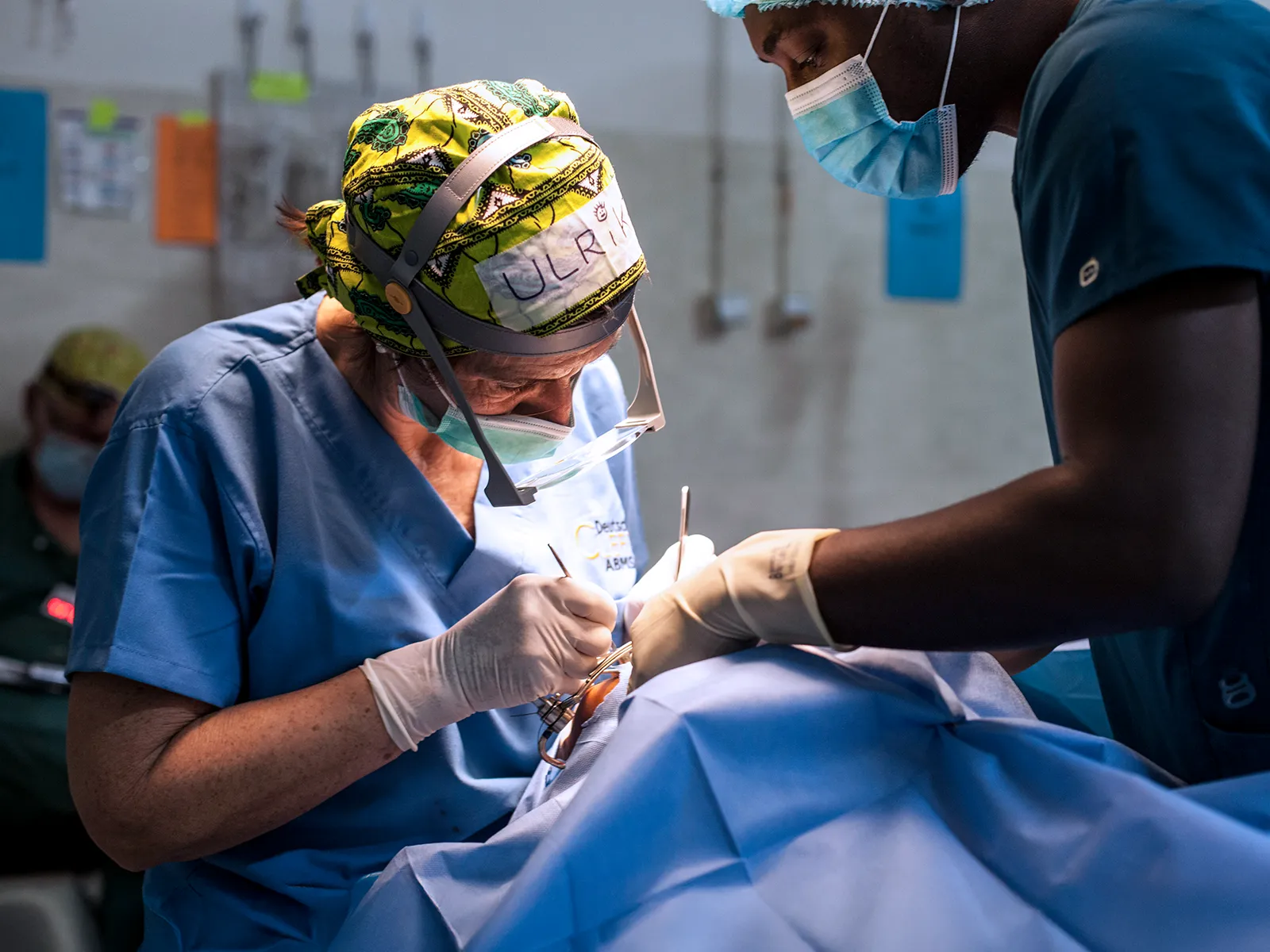
Nursing Team
Operating Room Nurses, Recovery Room/PACU Nurses, Ward Nurses
Nurses provide critical support before, during and after surgery — maintaining sterile environments, monitoring patients closely and ensuring safe recovery. Their adaptability and clinical expertise make them indispensable in fast-paced, resource-limited surgical settings.
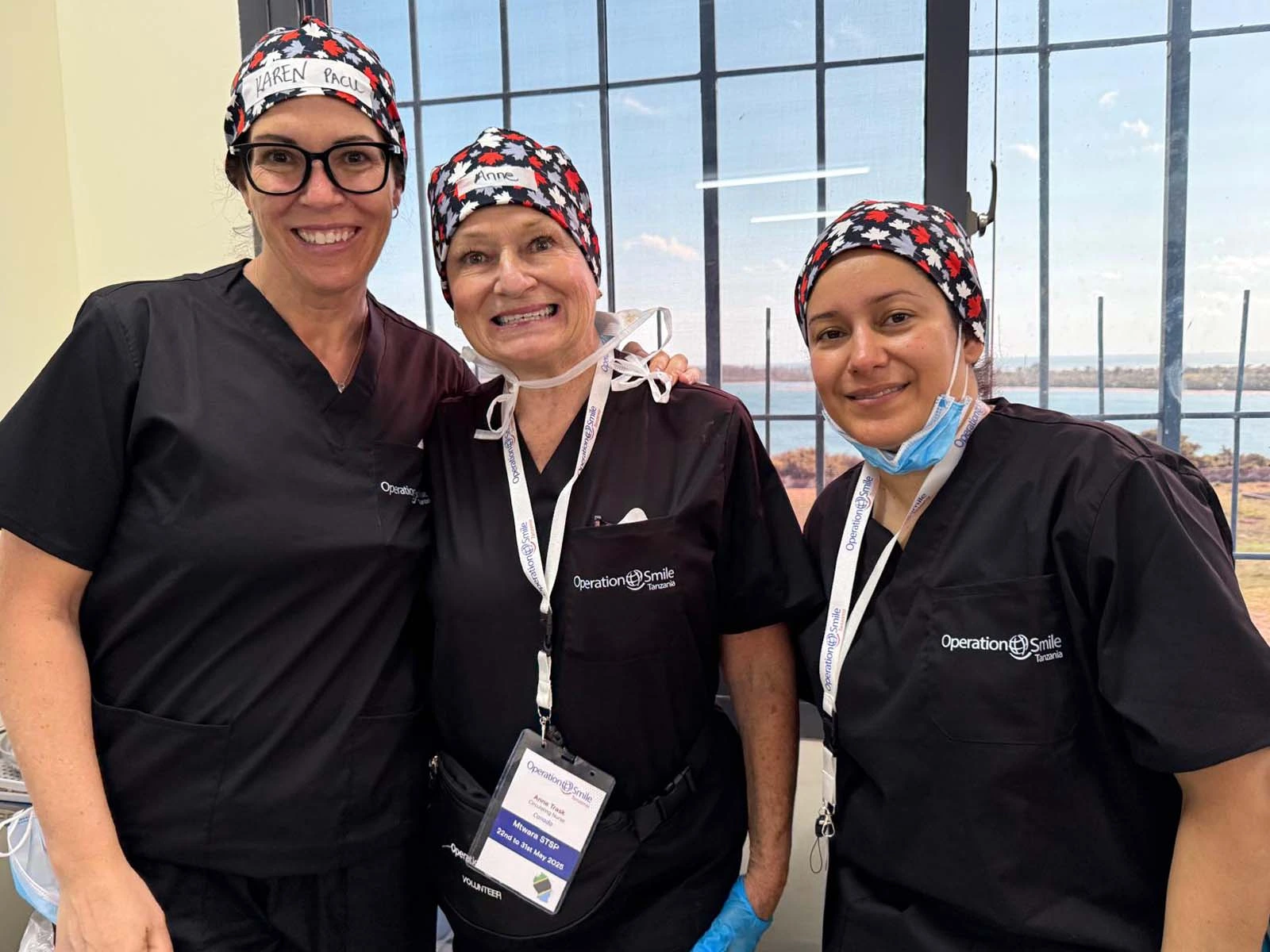
Pediatric Specialists
Pediatricians, Pediatric Intensivists
These providers assess overall patient health, manage complex pediatric needs and support children throughout the surgical program. Their insight helps ensure patients are ready for anesthesia and surgery.
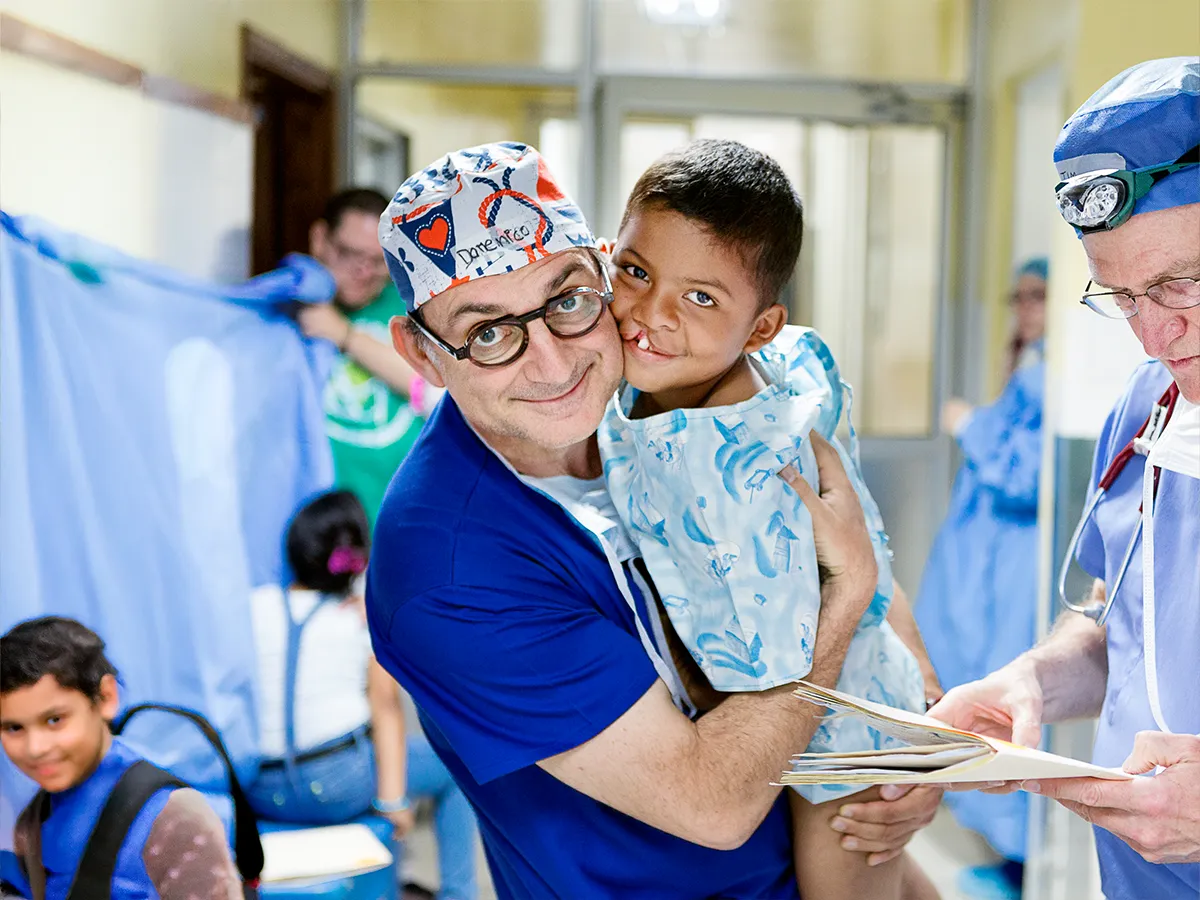
Cleft Care & Rehabilitation
Speech-Language Pathologists, Nutritionists, Psychosocial Care Providers
Not all cleft care is surgical. Specialists in these areas offer essential non-surgical support — helping children develop feeding, speech, emotional resilience and long-term wellbeing. These roles contribute to comprehensive, patient-centered care models across various program types.
Download the requirements for Oral Health professionals.
Download the requirements for Psychosocial providers.
Download the requirements for Speech Language professionals.
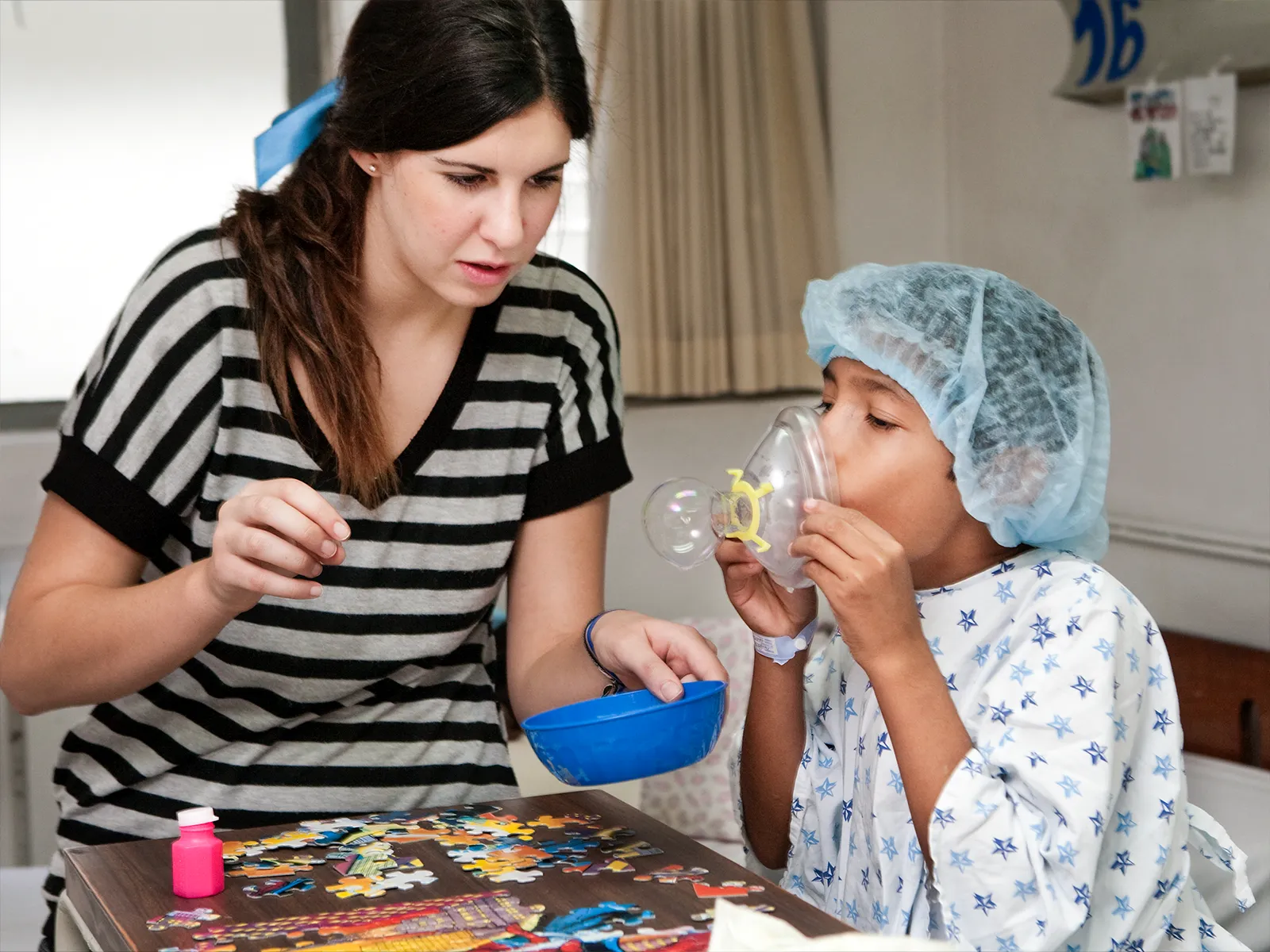
Biomedical Technicians
Biomedical Technicians help ensure that critical medical equipment is functioning properly — especially in remote or low-resource settings. Their expertise allows surgical teams to deliver world-class care safely, even in hospitals with limited infrastructure.
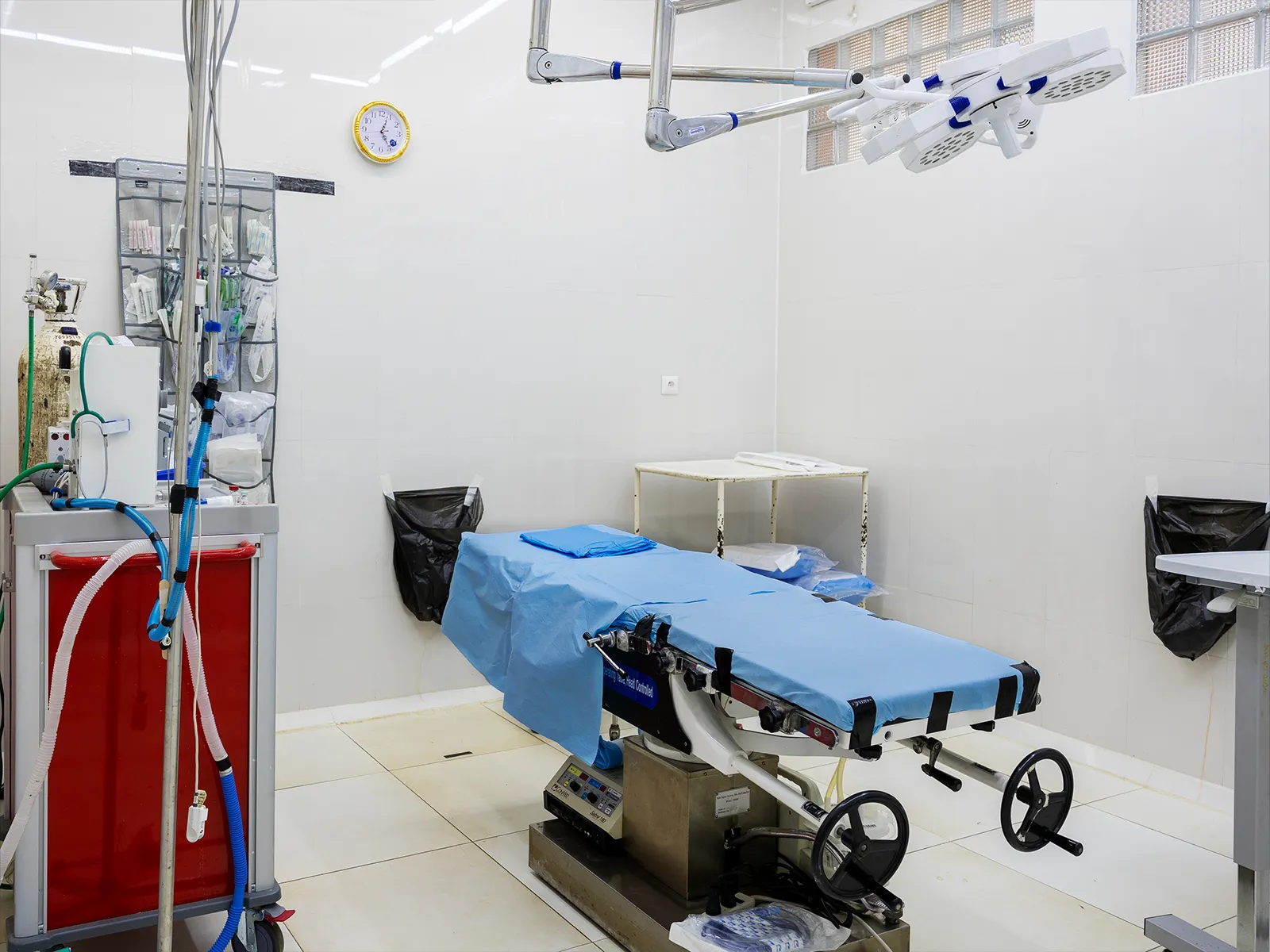
Stories of Impact
Discover what our volunteers have to say about their experiences with Operation Smile.
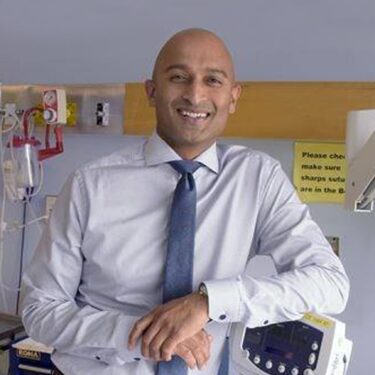
 Dr. Vivek Panchapakesan, Volunteer Cleft Surgeon
With the treatment provided by Operation Smile, in places where life itself is so challenging, these children are given a chance. An opportunity to eat and drink normally, the ability to speak naturally, and to simply look – and smile – like everyone else. I became a plastic surgeon because I saw how surgery could transform a child’s face. When I began volunteering I saw how the transformation is more than just physical; Operation Smile transforms lives.
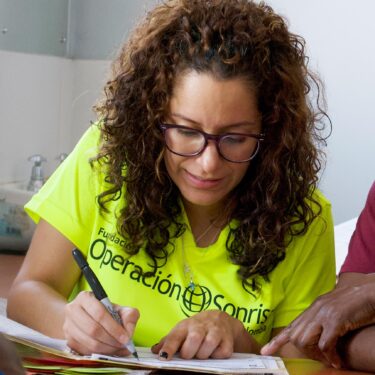
Karina Olivo, Volunteer Clinical CoordinatorI believe that the work Operation Smile does, changes the world we live in. There is a big lack of safe surgical services across the world and most of the burden is in developing nations. By joining Operation Smile, I have had the opportunity to use my skills and knowledge to be part of an amazing group made up of thousands of volunteers who share the common desire to change the lives of those most in need and bring back the smiles of children, families and entire communities. My hope is to continue to be able to bridge the gap of inequality in the world and be able to continue to change the world one smile at a time!
Ready to Apply?
- Download the requirements: Click on your specialty to review detailed credentialing requirements.
- Prepare your materials: Submit documentation demonstrating your qualifications and experience.
- Submit your application: We’ll review your credentials and if you meet the criteria, you’ll enter our credentialing process.
- Credentialing & placement: This stage takes approximately 4-6 weeks, with surgical program placement potentially taking up to one year.


Champions of Care: Honouring Anne and Louise
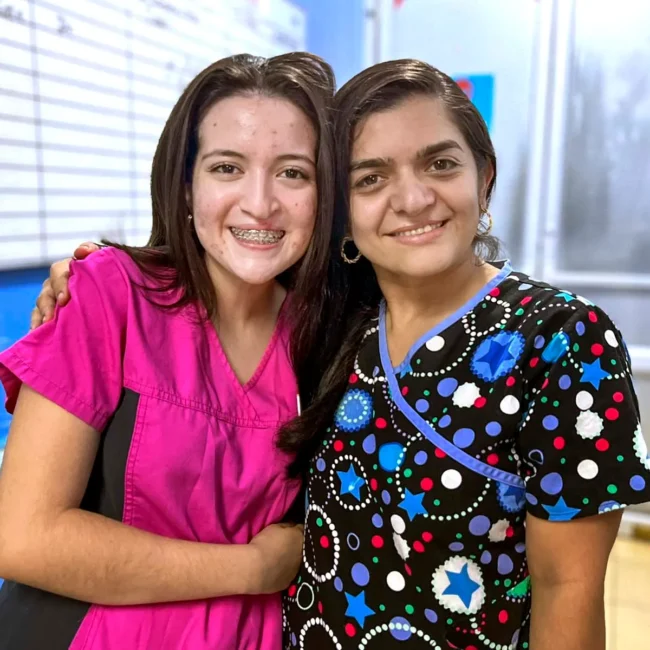
Celebrating the lifelong service and global impact of two caring volunteers At Operation Smile, volunteers are the hands and heart of our mission. Their skill, compassion and commitment make it…
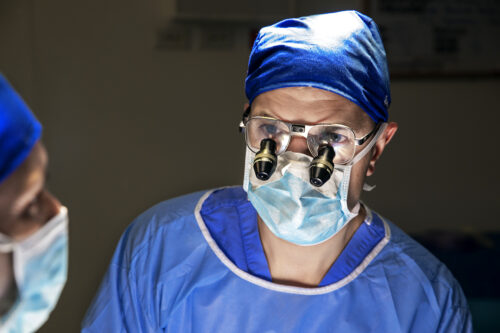

National Volunteer Week – Highlighting our Program Volunteers
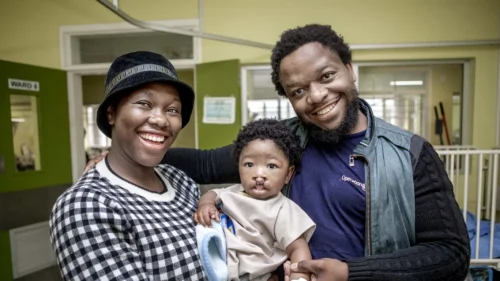
This National Volunteer Week, we are honoured to highlight some of our amazing program volunteers who are integral to all aspects of our work. Join us in recognizing and celebrating…
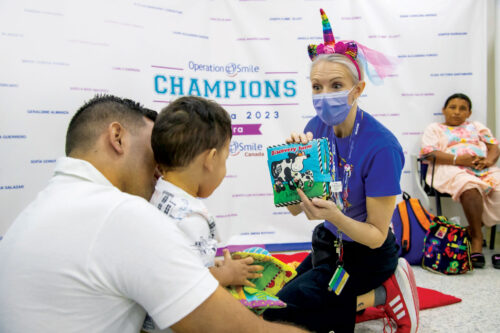
The Champions Program: Education and Transformation
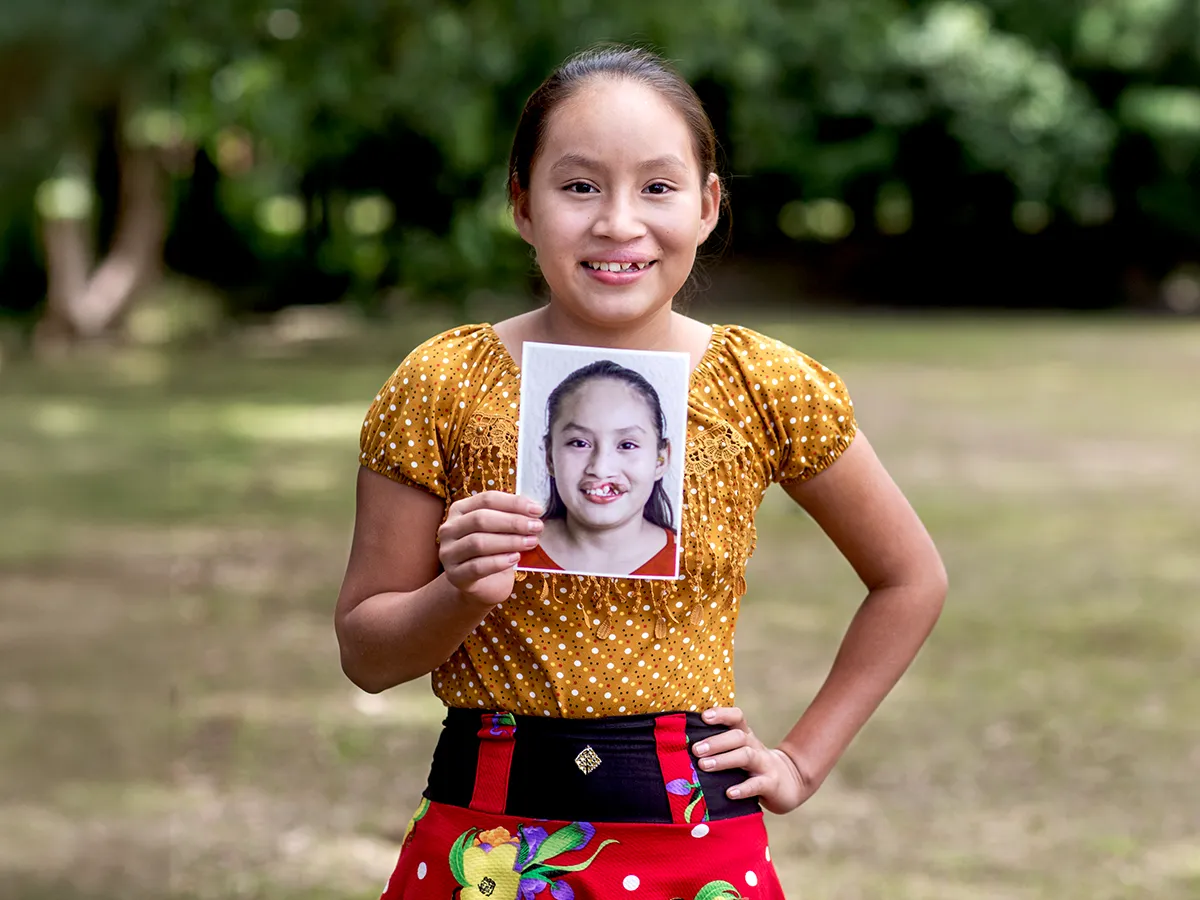
In the next 15 years, 2.2 million more surgeons, anesthetists and obstetricians will be required to ensure that 80% of the world’s population can access safe surgical treatment. For 40…